
Winter Roof Care 101 – Tips to Keep Your Home Safe and Dry
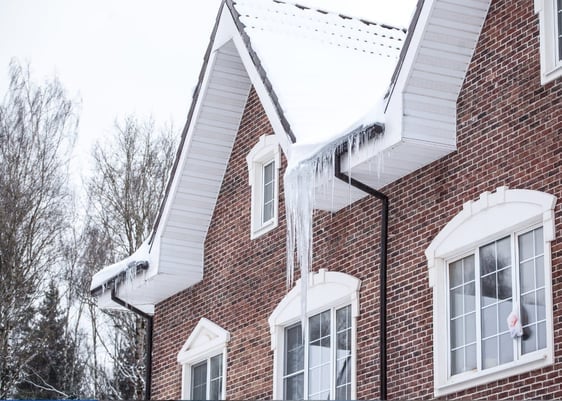
Winter Roof Care 101 – Tips to Keep Your Home Safe and Dry As the winter months approach, the importance of taking care of your home becomes crucial. The harsh weather conditions can take a toll on your house, especially on the roof. That’s why it’s essential to make sure your roof is well-maintained for the winter season to keep your home safe and dry. In this article, we will discuss some tips on how to properly care for your roof during the winter months. We’ll cover everything from basic maintenance to potential problems to watch out for. By following these tips, you can ensure that your home stays warm and dry throughout the colder months. Winter Roof Preparation Before the cold sets in, it’s essential to clean and prepare your roof to prevent avoidable issues. Clearing debris and examining the roof for weak spots helps keep moisture out and ensures your roof is structurally sound for winter weather. 1. Cleaning Your Roof and Gutters A clear roof and gutter system are crucial for managing winter precipitation. Leaves, twigs, and other debris can easily block gutters, causing water overflow and ice dams, which can lead to costly damage. Here’s how to ensure your gutters and roof are ready: Remove Debris: Clear out leaves, branches, and dirt from gutters and downspouts to allow water to flow freely. Check Water Flow: Make sure your gutters are angled to channel water away from your foundation, preventing ice buildup and leaks. Use Proper Tools: Gutter scoops are helpful for manual cleaning, but for multistory homes, professional cleaning may be safer and more effective. By keeping your gutters clear, you can avoid major water issues and reduce the risk of ice dam formation, keeping your roof and walls protected throughout the season. 2. Conducting a Thorough Roof Inspection Inspecting your roof for signs of wear and damage can help identify weak areas before winter storms set in. A thorough inspection lets you address potential vulnerabilities early on, reducing the risk of leaks or structural damage. Key areas to examine include: Check for Damaged Shingles: Look for cracked, curling, or missing shingles that could allow moisture to seep through, weakening your roof’s defenses. Assess Granule Loss: Bald spots on shingles suggest they may need replacing, as they’re less able to withstand snow and ice. Inspect Flashings: Flashings around chimneys, skylights, and vent pipes are common areas for leaks. Check for loose or damaged flashing and repair it to prevent water infiltration. A professional roof inspection is ideal if you’re unable to access your roof safely or want an expert assessment. Professionals can detect issues that may not be obvious, helping to safeguard your roof against severe winter conditions. Prioritizing Repairs and Maintenance Addressing minor roof issues early on is one of the most effective ways to maintain your roof’s health during winter. By prioritizing small repairs and preventive maintenance, you can prevent these issues from escalating into larger, more costly problems. 1. Fixing Small Issues Before Winter Hits Minor roof issues, such as loose shingles or small leaks, can worsen if ignored, especially when snow and ice add pressure to the roof structure. A few practical steps to follow include: Secure Loose Shingles: Unattached shingles can be dislodged by high winds or snow, exposing the underlying structure. Re-securing them prevents this. Seal Leaks: Water stains on ceilings or walls indicate possible leaks that should be repaired promptly to avoid further damage. Hire a Qualified Roofer: Professional repairs are particularly effective in winter, as they ensure that all minor issues are securely addressed, preventing the need for more extensive repairs. Recording each inspection and repair is useful not only for personal records but also if you file an insurance claim or plan to sell your home. Additionally, working with a reliable local roofing expert can streamline your maintenance process. An expert familiar with your roof’s condition and local climate challenges, such as in Folsom and South Lake Tahoe, can provide faster and more accurate service when needed. Overcoming Winter Roof Challenges Winter roofing projects can be complex, but with proper preparation and timing, they’re manageable. Cold weather affects materials and project timelines, so a few strategic adjustments can make a difference in keeping your roof intact during winter. 1. Managing Roof Work in Winter Roof work is still possible in winter, but it’s essential to plan around the limitations that snow, ice, and cold temperatures bring. Here are some strategies to consider: Schedule with Flexibility: Inclement weather may affect timelines. Keep flexibility in mind for your roofing schedule to accommodate delays. Focus on Repairs Over Replacement: When temperatures are extremely low, addressing specific repairs instead of a full replacement is often more feasible. While winter roof work requires additional planning, these small adjustments ensure that repairs or replacements happen efficiently, minimizing weather-related setbacks. 2. Tips for Effective Winter Roof Work Several methods and materials can help overcome winter roofing challenges. Using cold-weather materials and planning for temporary fixes are excellent ways to maintain your roof’s condition during the colder months. Use Cold-Weather Materials: Certain roofing materials remain flexible and adhesive even in low temperatures, making them ideal for winter installations. Apply Temporary Patches: If necessary, use tarps over problem areas and heat tape around gutters to prevent snow buildup until a full repair is possible. Watch for Warmer Days: Use milder winter days to tackle small repairs, as warmer temperatures make materials easier to work with. Opting for professional roofers experienced in winter work is essential, as they know how to handle the seasonal demands safely and efficiently. A skilled roofer brings the know-how needed to manage repairs in challenging winter conditions, ensuring your roof stays resilient against the elements. Related – The Importance of Roof Maintenance and Painting Before Winter Final Words As the winter months loom just around the corner, it becomes ever more critical to ensure that your home’s roof is adequately prepared to face whatever the season might bring. The journey of proper
Roof Leak Repair and Water Damage Restoration
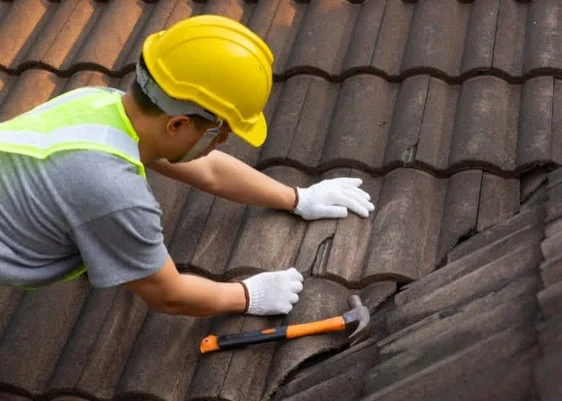
Roof Leak Repair and Water Damage Restoration: A roof leak is more than just an inconvenience—it’s a serious issue that can lead to extensive water damage if left unchecked. Homeowners in Austin, Texas and El Dorado Hills, California, face unique weather challenges that can exacerbate roof damage, from the intense heat and storms in Texas to heavy rains in California. At Elite Roof Repair, we specialize in providing fast, effective roof leak repairs and comprehensive water damage restoration to protect your home. Why Roof Leaks Happen Over time, roofing materials degrade due to weather, wear, and lack of maintenance. Common causes of roof leaks include: Damaged shingles: High winds and storms can tear or loosen shingles, leaving your roof vulnerable. Flashing issues: Flashing around chimneys, skylights, or vents can corrode or crack, allowing water to seep in.Clogged gutters: When gutters are clogged, water can back up under the shingles, causing leaks.Poor installation or repairs: Faulty roof installation or subpar repairs often lead to premature leaks.If you suspect a leak, it’s critical to address the issue immediately to avoid costly damage to your home’s structure. The Importance of Timely Roof Leak Repair. A small leak can quickly turn into a major problem, causing: Structural damage: Prolonged exposure to water weakens your roof’s structural integrity, which may lead to costly repairs or even roof replacement. Mold and mildew growth: Moisture buildup from a roof leak can encourage mold and mildew, leading to health risks for your family. Water stains and damage: Leaks can cause unsightly water stains on ceilings, walls, and floors, potentially damaging your home’s interior finishes and furniture. At Elite Roof Repair, we offer expert roof leak repair services in Austin, TX, and El Dorado Hills, CA to prevent these issues from escalating. Our team of experienced roofing contractors will identify the source of the leak, provide quality repairs, and ensure your roof is restored to full functionality. Water Damage Restoration Services If water damage has already occurred due to a roof leak, our comprehensive water damage restoration services will bring your home back to its original condition. We follow a thorough process that includes: Water extraction: Removing standing water and excess moisture to prevent further damage. Drying and dehumidification: Using industrial-grade equipment to dry affected areas and prevent mold growth.Cleaning and sanitizing: Treating water-damaged areas to remove harmful contaminants and bacteria.Repairs and restoration: Restoring damaged areas of your home, including ceilings, walls, flooring, and insulation, to their original condition.Our expert team handles the entire process, ensuring that your home is dry, safe, and protected from future damage. Prevent Future Roof Leaks with Regular MaintenanceTo prevent roof leaks and water damage, regular maintenance is essential. Elite Roof Repair offers routine roof inspections in Austin, TX, and El Dorado Hills, CA, to help you catch potential issues early. Our maintenance services include: Checking for damaged shingles, flashing, and other problem areas. Cleaning gutters and downspouts to ensure proper water flow.Sealing around vents, chimneys, and skylights. By maintaining your roof, you can extend its lifespan and avoid costly repairs in the future. Contact Elite Roof Repair for Roof Leak Repair and Water Damage RestorationIf you’re dealing with a roof leak or water damage in Austin, Texas, or El Dorado Hills, California, Elite Roof Repair is here to help. Our skilled team provides reliable, prompt roof leak repair and water damage restoration services to protect your home from further damage. Don’t wait until it’s too late—contact us today to schedule an inspection and keep your home safe and dry all year round! Related Blogs How to Create Your Dream Home – Home Renovation Tips August 20, 2026 | by admin How to Create Your Dream Home – Home Renovation Tips Embarking on a home renovation project is an exhilarating adventure… Read More → Common Causes of Roof Leaks and the Main Steps to Prevent Them August 20, 2026 | by admin Common Causes of Roof Leaks and the Main Steps to Prevent Them Roof leaks are a homeowner’s nightmare, causing damage… Read More → Fall Roof Maintenance – Rainy Season Prep for Your Home August 20, 2026 | by admin Fall Roof Maintenance – Rainy Season Prep for Your Home The changing of seasons can bring about a variety of… Read More → Maximize Your Landscape Potential with Home Remodeling August 20, 2026 | by admin Maximize Your Landscape Potential with Home Remodeling Every homeowner dreams of having a stunning and practical outdoor area that complements… Read More → The Importance of Roof Maintenance and Painting Before Winter August 20, 2026 | by admin The Importance of Roof Maintenance and Painting Before Winter As winter approaches, it’s essential to prepare your home for the… Read More → The Impact of Roofing on Home Value: What You Need to Know August 20, 2026 | by admin The Impact of Roofing on Home Value: What You Need to Know The condition of your roof plays a significant… Read More → Start Your Home Improvement Project Today Fill out the form below to contact Elite Roof Repair and Home Services. Our team of experts is here to answer your questions, provide personalized recommendations, and schedule your free consultation. Contact Now
Fall Roof Care 101 – A Must-Follow Checklist for Homeowners
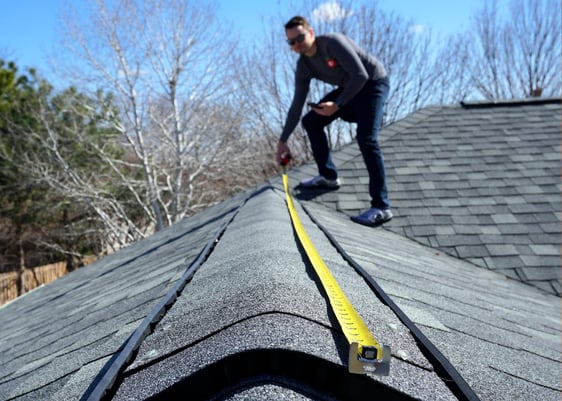
Fall Roof Care 101 – A Must-Follow Checklist for Homeowners As we bid farewell to the warm summer days and welcome the crisp breeze of autumn, it’s important to shift our focus towards a crucial element of our homes that tends to go unnoticed – the roof. With the changing seasons, it’s imperative to give your roof the care it needs to withstand the upcoming months. That’s why in this article, we will discuss the essential steps every homeowner should take to ensure their roof is well-maintained and ready for fall. So, let’s dive into the Fall Roof Care 101 checklist and make sure your home is protected during this beautiful season. Comprehensive Roof Maintenance Checklist for Fall Incorporating a roof maintenance checklist for fall into your seasonal home care routine is key to extending the life of your roof. Start by examining your shingles for any damage caused by summer’s heat. Cracked, warped, or loose shingles should be addressed to prevent more serious damage during the winter months. Begin with a visual inspection from the ground, using binoculars if needed, and if it’s safe, get a closer look by going onto the roof. Any curled, buckled, or missing shingles should be replaced right away. Also, look for signs of granule loss on asphalt shingles, as this may indicate the need for a roof replacement. Inspecting the fascia is another important step. Fascia, the vertical band under the roof edge, often goes unnoticed but supports the roof’s lower edge and the gutters. Look for any signs of rot, damage, or infestation. It’s a good time to repaint or reseal the fascia to protect against moisture and prepare for winter. Damaged fascia can weaken the roof’s structure and invite pests. Lastly, make sure your gutters are clean and free of debris. Clogged gutters can cause water to back up, leading to leaks and water damage. Regular gutter cleaning ensures proper drainage, protecting your home through fall and winter. Here’s the list: Examine shingles for cracks, warping, or missing pieces. Check for granule loss on asphalt shingles. Inspect and repair fascia for rot, damage, or pests. Repaint or reseal fascia to protect against moisture. Clean gutters to remove leaves and debris. Check gutters for sagging or damage and repair as needed. Consider installing gutter guards to minimize future debris buildup. Ensuring Efficient Water Drainage Coupled with cleaning the gutters, it’s equally important to inspect the downspouts to ensure they are directing water away from your home’s foundation. This aspect of gutter maintenance is often overlooked but is crucial for preventing water-related issues. Downspouts that are blocked or not properly positioned can lead to water pooling near your foundation, causing potential basement leaks or structural damage. To clean your downspouts, remove any visible debris from the top opening, then flush water through them using a garden hose to make sure it flows freely. If you notice any blockages that can’t be cleared with water, use a plumber’s snake to dislodge them. Once cleaned, check the alignment of your downspouts. They should extend at least five to six feet away from your house to efficiently channel water away, preventing it from accumulating near the foundation or seeping into the basement. During the fall, consider the installation of additional accessories like splash blocks or downspout extensions to improve water drainage. Splash blocks, placed under downspouts, help to disperse the water and prevent erosion around the foundation. Downspout extensions can carry the water further away from your house, an essential step in gutter cleaning for fall to tackle areas where water drainage might be an issue. Additionally, preventive measures such as installing gutter guards can protect against the significant accumulation of leaves and debris in your gutters. Various types of gutter guards fit different gutter systems, ranging from mesh screens to solid covers with small openings that allow water to flow while keeping debris out. Evaluating options suited to your type of gutters can lead to more effective gutter maintenance and reduce the frequency of thorough cleanings. Shingle Repairs and Roof Fascia Care Maintaining the health of your roof involves more than just an occasional glance upward. The condition of your shingles and roof fascia plays a vital role in protecting your home from the elements, especially as the seasons change. Identifying and Repairing Shingle Damage To ensure the longevity of your roof, it’s essential to promptly address any shingle damage. Here’s what you need to know: Scrutinize Your Roof: Start by thoroughly examining your roof for any broken, missing, or visibly damaged shingles. Check your property for any shingle pieces that may have blown off, as this could indicate areas of your roof that are now exposed. Use Matching Materials: When repairing shingles, it’s crucial to use matching materials to avoid aesthetic inconsistencies and ensure proper functionality. Remove and Replace: To repair a damaged shingle, gently lift it to identify where it’s secured to the roof deck. Use a flat bar or similar tool to remove the nails holding the shingle in place. Slide the new shingle into place and secure it with new roofing nails in the same pattern as the original ones. To seal the shingle, apply a dab of roofing cement to the nail heads and any edges that need securing. Maintaining and Repairing the Fascia The fascia is a critical element along the lower edge of your roof that provides support to your gutters and adds a finished look to your roofline. During your roof inspection, pay attention to the condition of the fascia. Look for soft spots, discoloration, or signs of water damage. If you notice any damage to the fascia, it’s crucial to repair or replace it promptly. Here’s how: Remove the affected section using a pry bar. Measure and cut a new piece of fascia board to fit. Secure it in place using corrosion-resistant nails or screws. Apply a high-quality exterior-grade sealant to protect the new board from the elements. Regularly maintaining and painting the fascia can prevent future issues and significantly extend its lifespan. If you encounter extensive damage or are unsure about repairing it yourself, don’t hesitate to seek professional help to ensure it is correctly addressed.
Fall Roof Maintenance – Rainy Season Prep for Your Home
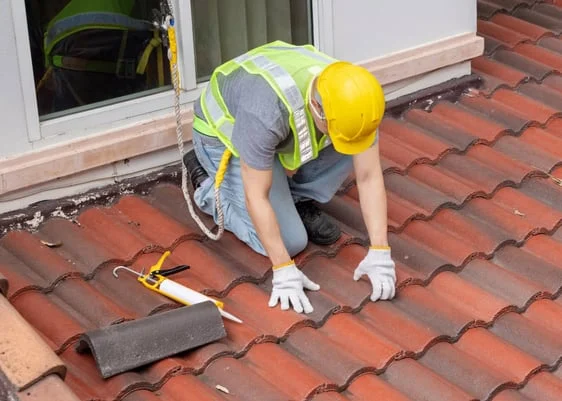
Fall Roof Maintenance – Rainy Season Prep for Your Home The changing of seasons can bring about a variety of tasks for homeowners. And as the leaves begin to fall and the temperatures start to drop, it’s important to start thinking about preparing your home for the upcoming rainy season. This is especially true when it comes to your roof, as it plays a crucial role in protecting your home from the elements. In this article, we will discuss some key maintenance tasks that every homeowner should consider. By following these simple tips, you can help prolong the life of your roof and protect your home from the unpredictable weather that comes with fall. Essential Roof Maintenance Tips for Fall When it comes to maintaining your roof during fall, one of the most important tasks is cleaning your gutters. These gutters are responsible for directing rainwater away from your home, which helps prevent water damage and leaks. However, during this season, they can easily become clogged with leaves, twigs, and other debris, which can obstruct the flow of water. To complete this task, you will need a sturdy ladder, gloves, and a bucket. Carefully remove all debris and use a hose to rinse the gutters thoroughly. Another helpful measure is to install gutter guards, which can help keep large debris out while still allowing water to flow through. Remember, regularly maintaining your gutters can prevent issues like water damage, foundation problems, and even pest infestations, which can be quite expensive to address. Another essential step in how to maintain your roof is to remove any debris that may have accumulated on the roof itself. Fallen leaves, branches, and other debris can trap moisture, leading to mold growth and roof deterioration. Use a roof rake or broom to gently sweep away debris, being careful not to damage the shingles. For those tougher-to-reach areas, consider using a blower. In addition to regular cleaning, keeping an eye out for moss and algae is also important. These organisms thrive in damp, shaded environments and can compromise the roof’s integrity if left untreated. You might consider applying a moss and algae cleaner or hiring professionals to handle this for you. Finally, conducting a thorough inspection of your shingles is a critical part of any fall roof maintenance schedule. High winds and storms can loosen or damage shingles, making your roof susceptible to leaks. Walk around your property and visually inspect the roof; look for signs of damage like missing, cracked, or curled shingles. If you’re comfortable with heights and have the right safety equipment, you can climb up and check for more subtle issues like granule loss, which indicates aging shingles. If any problems are found, addressing them promptly can prevent more severe damage down the line. Comprehensive Rainy Season Preparation for Your Roof Preparing your roof for the rainy season is crucial to protecting your home from potential water damage. One key area to address is the condition of your roof’s flashing. Flashing is installed around features like chimneys, vents, and skylights to keep water out. Over time, it can loosen, rust, or deteriorate, allowing leaks to develop. To prevent this, you should: Inspect seals and joints where roofing materials meet. Check for cracks, rust, or gaps that could let water in. Repair or replace any damaged flashing promptly. Timely repairs not only avoid leaks but also prevent more extensive damage, such as mold growth or structural issues. If repairs seem too complex, it’s wise to consult a roofing contractor who can assess and resolve the problem efficiently. In addition to flashing, the overall health of your roof’s surface is another essential factor in rainy season preparation. Weak spots, punctures, or worn-out sections can become entry points for water, especially during heavy rainfall. Pay close attention to roof valleys, where water tends to collect, and: Patch small holes or worn sections. For flat roofs, check for ponding water and drainage issues. Ensure the roofing membrane remains intact. By addressing these areas, you not only prevent leaks but also extend your roof’s durability. Keeping a log of inspections and repairs will help you track the condition of your roof and predict future maintenance needs. Finally, check your attic and ceilings for signs of trouble. Water stains, mold growth, or musty odors could indicate roof leaks or poor ventilation. Make sure to: Inspect the attic for damp spots and dark streaks. Ensure proper ventilation to prevent moisture buildup. Update insulation if needed to protect against temperature changes and moisture. Texas-Specific Weatherproofing Solutions Texas weather brings unique challenges for homeowners, with its combination of scorching heat and sudden heavy rains. This means your roof needs to be prepared to withstand both extreme conditions. One effective weatherproofing solution is applying a high-quality roof coating. These coatings are designed to shield your roof from intense UV rays, which can weaken shingles over time. Reflective coatings also help keep your home cooler during hot days, reducing the strain on your air conditioning. By preventing damage from the sun, you extend the life of your roofing materials, making them more resilient when heavy rains arrive. Another key step is reinforcing your roof’s waterproof barriers. This includes installing underlayment materials that offer an extra layer of protection against water infiltration. These layers work beneath your shingles or tiles, helping to prevent leaks during Texas downpours. In areas prone to high winds and heavy rains, installing impact-resistant shingles can make a significant difference. These durable materials are designed to resist cracking and damage, ensuring your roof stays intact during storms. Additionally, checking for proper roof ventilation will help manage moisture, reducing the risk of mold and rot. Related – Maximize Your Landscape Potential with Home Remodeling Wrapping Up Keeping track of your roof’s condition over time is crucial for maintaining its longevity. Establishing a habit of seasonal checks, particularly in fall as you brace for rain, is a best practice. Documenting any repairs and ongoing issues can provide a clear history of your roof’s health, aiding in future maintenance decisions. This proactive approach can help mitigate unexpected costs and emergencies, giving you tranquility. Don’t overlook the potential benefits of new roofing technologies and materials as part
The Importance of Roof Maintenance and Painting Before Winter

The Importance of Roof Maintenance and Painting Before Winter As winter approaches, it’s essential to prepare your home for the colder months ahead. One often overlooked aspect of home maintenance is the roof. At Elite Roof Repair and Home Services, with offices in Folsom, CA, Austin, TX, and Dallas, TX, we emphasize the importance of roof maintenance and painting to keep your home in top condition. In this blog, we’ll explore why taking these steps is crucial for preventing leaks and dry rot, ensuring your home remains safe and sound throughout the winter. 1. Prevent Leaks and Water Damage Winter brings rain, snow, and ice, all of which can exacerbate existing roof issues. Even minor problems like loose shingles or small cracks can lead to significant water damage if left unattended. Water can seep into your home, causing leaks that damage ceilings, walls, and insulation. Regular roof maintenance before winter can identify and address these issues, preventing costly repairs down the line. 2. Extend the Life of Your Roof Routine maintenance helps extend the lifespan of your roof by addressing minor issues before they escalate. Removing debris, cleaning gutters, and checking for damage ensures that your roof remains in good condition. A well-maintained roof can last significantly longer, saving you money on premature replacement. 3. Ensure Safety and Energy Efficiency A compromised roof can be a safety hazard. Loose shingles or damaged flashing can become dislodged during high winds, posing a risk to your property and those around it. Additionally, gaps and cracks can lead to heat loss, increasing your energy bills. By maintaining your roof, you ensure that your home remains safe and energy-efficient. 1. Protecting Eaves and Fascia Eaves and fascia are critical components of your roof’s structure, providing support and protecting the edges of the roof. However, these areas are also prone to damage from the elements, particularly moisture. If left unprotected, moisture can seep into the wood, leading to dry rot—a fungal condition that weakens wood and compromises structural integrity. 2. Aesthetic Appeal and Value Regular painting not only protects your home but also enhances its curb appeal. A fresh coat of paint can make your home look well-maintained and attractive. This aesthetic appeal can increase your property’s value, making it more appealing to potential buyers if you decide to sell. 3. Preventing Costly Repairs Dry rot can spread quickly, affecting larger areas of your home’s structure if not addressed promptly. Painting your home’s eaves and fascia provides a protective barrier against moisture, preventing dry rot and the need for expensive repairs or replacements. Regular painting is a simple and cost-effective way to maintain your home’s integrity. With offices in Folsom, CA, Austin, TX, and Dallas, TX, Elite Roof Repair and Home Services is your trusted partner for all your roofing and home maintenance needs. Our team of experienced professionals is dedicated to providing top-quality service and ensuring your home is ready for winter. We offer comprehensive roof inspections, maintenance, and painting services to keep your home in excellent condition year-round. Don’t wait until it’s too late—schedule your roof maintenance and painting services with Elite Roof Repair and Home Services today. Protect your home, enhance its beauty, and ensure its longevity with our expert care. Contact us now to book an appointment and prepare your home for the winter season. Related Blogs The Impact of Roofing on Home Value: What You Need to Know August 20, 2026 | by admin The Impact of Roofing on Home Value: What You Need to Know The condition of your roof plays a significant… Read More → What is a Roof Inspection? Keep Your Roof Safe in Summer August 20, 2026 | by admin What is a Roof Inspection? Keep Your Roof Safe in Summer Summer is a time for sunshine, outdoor activities, and… Read More → Understanding the Causes of Dry Rot: What Homeowners Need to Know August 20, 2026 | by admin Understanding the Causes of Dry Rot: What Homeowners Need to Know Understanding the causes of dry rot is essential for… Read More → The Benefits of Regular Roof Inspections: A Homeowner’s Guide August 20, 2026 | by admin The Benefits of Regular Roof Inspections: A Homeowner’s Guide Roof maintenance is a critical aspect of homeownership, ensuring your property… Read More → How to Create Your Dream Home – Home Renovation Tips August 20, 2026 | by admin How to Create Your Dream Home – Home Renovation Tips Embarking on a home renovation project is an exhilarating adventure… Read More → Common Causes of Roof Leaks and the Main Steps to Prevent Them August 20, 2026 | by admin Common Causes of Roof Leaks and the Main Steps to Prevent Them Roof leaks are a homeowner’s nightmare, causing damage… Read More → Start Your Home Improvement Project Today Fill out the form below to contact Elite Roof Repair and Home Services. Our team of experts is here to answer your questions, provide personalized recommendations, and schedule your free consultation. Contact Now
Maximize Your Landscape Potential with Home Remodeling

Maximize Your Landscape Potential with Home Remodeling Every homeowner dreams of having a stunning and practical outdoor area that complements their home’s interior. It’s no secret that a well-designed landscape can greatly enhance the overall look and feel of a property. But did you know that it can also offer numerous other benefits? From improving the value of your home to promoting relaxation and well-being, the impact of landscape remodeling goes far beyond just appearances. That’s why in this article, we will delve into the various ways in which a landscape remodel can maximize your outdoor space’s potential. From creating functional areas for entertainment and relaxation to incorporating sustainable features, there are endless possibilities to transform your landscape into a true extension of your home. So if you’re ready to elevate your outdoor living experience, keep reading to discover the endless possibilities of landscape remodeling. With careful planning and the right approach, you can create a beautiful and functional outdoor space that truly enhances your home. The Power of Landscape Remodeling When considering landscape remodeling, it’s essential to view it as more than just an aesthetic upgrade. It intertwines seamlessly with overall home improvement, providing both immediate and long-term benefits. For instance, adding a well-designed patio not only creates an outdoor oasis for relaxation and entertainment but also enhances your home’s market value. This approach can improve the visual flow from the house to the yard, creating a cohesive environment that feels expansive and inviting. Incorporating garden beds can also elevate your landscape by introducing color, texture, and seasonal interest, making your home more visually appealing throughout the year. Additionally, functional elements like retaining walls, walkways, and lighting can increase safety and usability, making your outdoor spaces more versatile and accommodating. Many homeowners might overlook the incremental value that thoughtful landscape remodeling can add to their property. Addressing not just the immediate visual impact, but also long-term functionality and sustainability, projects like installing drought-resistant plants or a rainwater harvesting system can make a significant difference. Imagine your backyard as an extension of your living space—by adding elements such as pergolas, fire pits, or outdoor kitchens, you create a multifunctional area that fosters both solitude and social gatherings. Moreover, landscape solutions like improved drainage or soil stabilization not only protect your property but also ensure that it remains beautiful and resistant to environmental stressors for years to come. Furthermore, landscape remodeling isn’t limited by the size or shape of your yard. Even small spaces can be transformed into vibrant, functional areas with some creative planning. Vertical gardens, compact water features, and bespoke stone pathways can maximize limited space while adding unique charm and character to your property. More extensive projects like building custom fences, decks, or gazebos can create defined zones within your yard, each serving a specific purpose, whether it’s for relaxation, gardening, or play. Designing for Excellence Through thoughtful landscape design, homeowners can balance aesthetic appeal with practical elements. For example, if you begin by mapping out the functional zones you’d like to have—such as dining areas, lounge spots, and play sections—you can create a plan that feels intentional and is easy to execute. Start by sketching your ideas on paper or using software designed for home design. This will give you a clearer vision of what your end result could look like. Local plant nurseries and online resources provide ample inspiration for selecting your favorite plants and trees, ensuring they not only thrive in your climate but also complement your overall landscape theme. Whether it’s vibrant perennials or robust evergreens, diverse plant selections can add layers of visual interest to your yard. Remember to think about plant placement in terms of both sun exposure and water requirements, which can affect their long-term health. When planning layout changes and design upgrades, utilizing 3-D renderings can significantly enhance your project’s success. These visual tools allow you to see prospective changes in a detailed and scaled model, which can help you avoid potential issues that could arise from simply looking at flat, 2D plans. By leveraging 3-D technology, you can experiment with different design elements before making any permanent changes. For instance, you might find that certain plant arrangements look crowded or that a water feature might be better situated elsewhere. This step also helps in aligning your vision with contractors, ensuring that everyone is on the same page when it comes to execution. Moreover, modern software solutions now permit the integration of various materials, from different types of stone for pathways to various decking options, giving you a virtual yet realistic preview of what your new landscape will look like once completed. Balancing Cost and Value When balancing cost and value in your remodeling project, it’s crucial to understand the myriad factors that can influence the final expense and potential return on investment. Certain elements like the scope of the project, the quality of materials used, and the labor involved are obvious contributors to the overall home remodeling cost vs value. For instance, opting for high-end materials such as natural stone for your pathway or imported timber for decking can significantly escalate costs; however, these improvements often yield a higher return by enhancing both durability and aesthetic appeal. Conversely, more modest choices, like composite materials for decks or locally sourced stone, offer cost-effective alternatives without drastically compromising on the quality or visual impact. Additionally, the complexity of the project also plays a role—custom builds like pergolas or intricate water features require more skilled labor and time, thus increasing costs, whereas simpler installations like garden beds or lighting fixtures can be more budget-friendly while still adding considerable value. Undertaking quality remodeling within a budget requires a strategic approach. Start by prioritizing your renovations based on both necessity and potential return on investment. Focus on the aspects of your landscape that are not only immediate eyesores but also detract from the functionality or safety of your property. This prioritization will prevent you from spreading your resources too thin and help you tackle the most critical tasks first. One of the home remodeling tips is to consult with professionals early in
How to Create Your Dream Home – Home Renovation Tips
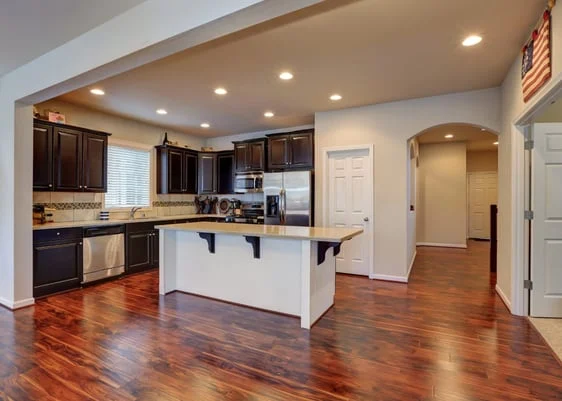
How to Create Your Dream Home – Home Renovation Tips Embarking on a home renovation project is an exhilarating adventure that can also be quite daunting. The journey towards achieving your dream home involves a complex process that requires careful planning and execution. However, with the right approach, this can be an incredibly rewarding experience. That’s why in this article, we will discuss some helpful tips and tricks to guide you through the process of creating your dream home. From budgeting and design to choosing the right contractors, we will cover all the essential aspects of a successful home renovation project. So, if you’re ready to turn your current house into the home of your dreams, keep reading! The Ultimate House Renovation Guide For those embarking on a home renovation journey, starting with a clear and detailed plan is paramount. This ultimate house renovation guide will provide you with valuable tips and strategies to help you achieve your goals and stay organized throughout the process. 1. Setting Your Goals, Timeline, and Budget Begin by outlining your goals: What do you hope to achieve with this renovation? Are you looking to add more living space, modernize outdated rooms, or improve the home’s energy efficiency? Understanding your objectives will guide subsequent decisions and keep you focused. Next, establish a timeline. This step involves considering the scope of your renovation and how long each phase typically takes. Remember that more extensive projects, such as redoing an entire kitchen or installing a new roof, can take several weeks or even months. Creating a realistic timeline helps manage expectations and ensures you have a clear view of the project’s progression. Equally important is setting a budget. Assess your finances and determine how much you are willing to spend on various segments of the renovation. Factor in costs for materials, labor, and a contingency fund for unexpected expenses. Detailed planning at this stage can prevent cost overruns and financial stress down the line. 2. Detailed Planning of Each Renovation Phase Having set your goals, timeline, and budget, the next step in the home renovation guide involves detailed planning of each renovation phase. Whether you’re tackling room-by-room transformations or more comprehensive overhauls, sketching out a renovation guide that breaks down tasks can be beneficial. You might start with structural changes, such as roofing services or alterations to the home’s layout. These foundational changes often have the most significant impact on your home’s overall feel and functionality, making it crucial to get them right. Ensure you collaborate with skilled professionals to guarantee that structural modifications are safe and meet local building codes. Following this, consider the interiors, including walls, flooring, and major fixtures. Each of these elements contributes to the aesthetic and practical value of your home. For instance, choosing durable materials for high-traffic areas like the kitchen and bathroom can extend the longevity of your renovations. Additionally, plan for energy-efficient upgrades, such as improved insulation or high-performance windows, which can provide long-term savings on utility bills. Paying attention to these details during the planning phase make sure your renovation aligns with your vision and meets practical needs. 3. Continuously Reviewing Progress Throughout the renovation process, unforeseen challenges can arise, making it necessary to revisit and possibly revise your initial plans. Regularly communicate with your contractors and review their progress against your established timeline and budget. This proactive approach allows you to address issues promptly and ensure your renovation stays on track. Additionally, maintaining flexibility in your renovation guide is crucial. While it is important to have a clear plan, being willing to adapt when unexpected situations occur—such as discovering structural issues or supply delays—can help mitigate stress and keep the project moving forward. Continuously monitoring expenditures against your budget is another key aspect. This ensures that you remain financially disciplined and can make informed decisions if adjustments are required. Leveraging these strategies helps keep your home renovation project organized, ensuring the final result aligns with your initial vision while staying within the desired timeframe and budget. With thorough planning, detailed execution, and constant monitoring, you can transform your home into the space you’ve always dreamed of. Budget-Friendly Renovation Tips An essential component of any successful renovation is finding ways to navigate financial constraints while maintaining the quality and integrity of your updates. Engaging in budget-friendly renovation efforts allows you to maximize every dollar spent without sacrificing your vision or the functionality of your home. Repurposing Materials One effective strategy involves repurposing materials. Instead of purchasing all-new items, reclaim and refurbish what you already own. For example, rather than replacing cabinets in the kitchen, consider resurfacing or painting them. This approach can refresh the aesthetic of your kitchen at a fraction of the cost. Similarly, repurposing furniture by giving it a new coat of paint or reupholstering can breathe new life into spaces. Evaluate what resources are available and look for creative ways to incorporate them into your renovation. Shopping for Discounts and Bargains Visit outlets, clearance sales, and thrift stores to discover high-quality materials at reduced prices. Online marketplaces and auction sites can also be treasure troves for finding needed items at significant discounts. Use these resources to source everything from appliances and fixtures to tiles and flooring. It’s prudent to compare prices across different vendors and wait for sales events to procure more significant savings. Establishing a dedicated renovation checklist that tracks your purchases allows you to stay within budget while ensuring that no necessary item is overlooked. This focused approach to shopping ensures that you are making well-informed decisions without impulsively overspending. Related – Siding Replacement: Choosing the Right Material for Your Home Wrapping Up When it comes to creating your dream home, every aspect is crucial in achieving a balanced and harmonious living space. From the initial planning stages to working with contractors and implementing cost-effective strategies, each step plays a vital role in the success of your renovation project. Our comprehensive approach ensures that your vision of an ideal home is brought to life while keeping the project on track. If you’re ready to transform your home, look no further than Elite Roof Repair
How to Design Outdoor Living Space – Creative Landscaping Ideas
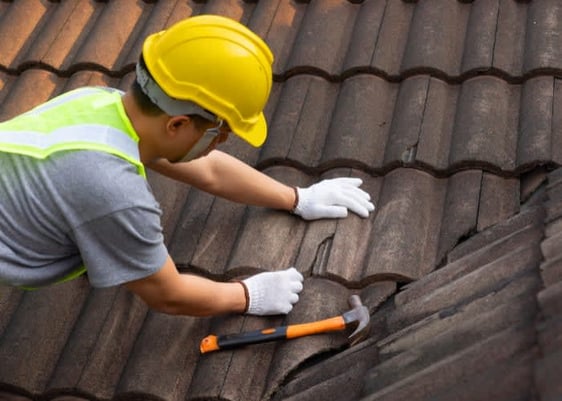
How to Design Outdoor Living Space – Creative Landscaping Ideas When it comes to elevating the appeal and functionality of your home, few aspects can match the transformative impact of a well-designed outdoor living space. This area becomes an extension of your home, offering a sanctuary where you can relax, entertain, and immerse yourself in nature’s beauty. From improving curb appeal to creating a backyard haven, strategic landscaping can make a significant difference. In this article, we’ll provide guidance on designing outdoor living spaces, focusing on creative landscaping ideas. Discover how stylish hardscaping features and vibrant plant arrangements can breathe new life into your home’s exterior. Creative Landscaping Ideas Creating a stunning first impression starts with improving your home’s curb appeal. Transforming your front yard into a picturesque landscape not only adds beauty but also increases your property value. By integrating creative landscaping ideas, you can achieve a visually captivating and welcoming entrance. 1. Stylish Pathways and Walkways Guide your guests through your garden with elegant pathways and walkways. These not only serve a practical purpose but also add a sophisticated touch to your landscape. Consider materials like stone, brick, or pavers to craft unique designs that enhance your home’s architecture. Material Choices: Opt for natural stone, brick, or decorative pavers to create diverse patterns. Design Tips: Use curves and meanders instead of straight lines for a more organic look. Lighting: Incorporate pathway lights to ensure safety and add a magical evening ambiance. Edging: Add decorative edging to keep pathways neat and defined. Maintenance: Use durable materials that withstand weather conditions and require minimal upkeep. 2. Lush Greenery and Plant Arrangements Incorporating vibrant plants and lush greenery can transform your front yard into a lively and inviting space. Plant Selection: Choose a variety of perennials, annuals, and shrubs for year-round color. Layering: Plant in layers, with taller plants at the back and shorter ones in front, to create depth. Maintenance: Select low-maintenance plants that thrive in your local climate to reduce upkeep. Focal Points: Use statement plants or garden art to draw attention to specific areas. Containers: Incorporate potted plants to add versatility and easy rearrangement options. 3. Outdoor Lighting Outdoor lighting plays a crucial role in highlighting your landscape’s best features while providing security and ambiance. Types of Lighting: Use a combination of spotlights, pathway lights, and string lights. Placement: Highlight key features such as trees, pathways, and architectural elements. Energy Efficiency: Opt for LED lights to save energy and reduce maintenance. Timers and Sensors: Install timers or motion sensors for convenience and energy savings. Color Temperature: Choose the right color temperature to create the desired mood. Transforming Your Backyard with Hardscaping Hardscaping is an essential element in creating a functional and visually appealing outdoor living space. By incorporating durable materials like stone, concrete, and wood, you can build features that enhance both usability and visual appeal. 1. Patios and Decks A well-designed patio or deck serves as the perfect spot for outdoor dining and entertaining. These areas provide a transition from indoor to outdoor living, offering a space to enjoy meals and gatherings in the fresh air. Material Choices: Consider materials such as wood, composite, or natural stone for durability and aesthetics. Design Features: Add built-in seating, pergolas, or shade structures for comfort and style. Furniture: Select outdoor furniture that is weather-resistant and complements your design. Flooring Options: Explore various flooring options like tiles, stamped concrete, or gravel. Privacy: Incorporate privacy screens or landscaping to create a secluded retreat. 2. Outdoor Kitchens and Fire Pits For those who love outdoor cooking and socializing, installing an outdoor kitchen or fire pit can be transformative. These features become the focal point of your backyard, providing warmth and a place to gather. Kitchen Elements: Include a grill, sink, refrigerator, and ample counter space for a complete setup. Fire Pit Styles: Choose from gas, wood-burning, or portable fire pits to suit your preferences. Safety Considerations: Ensure proper ventilation and safety measures are in place. Seating: Create comfortable seating areas around the fire pit for cozy gatherings. Weather Protection: Add a canopy or roof over the kitchen area to protect from elements. 3. Retaining Walls and Terraces Retaining walls and terraces add structure and functionality to sloped or uneven yards. These elements not only prevent soil erosion but also create visually appealing levels and planting areas. Materials: Use stone, brick, or concrete blocks for a sturdy and attractive finish. Design Tips: Incorporate seating areas or planters into the retaining walls. Drainage Solutions: Ensure proper drainage to prevent water buildup and damage. Multi-Use Areas: Design terraces with multiple uses, such as seating, planting, and pathways. Accent Features: Add lighting or water features to retaining walls for added interest. Enhancing Outdoor Living Spaces with Garden Design A thoughtfully designed garden can elevate your outdoor living space, making it a beautiful and functional retreat. By incorporating various themes and features, you can create a unique environment that reflects your personal style. 1. Themed Gardens Themed gardens provide a cohesive and visually striking design. Whether you prefer a serene Japanese Zen garden or a vibrant Mediterranean garden, selecting a theme helps guide your plant and decor choices. Zen Gardens: Use elements like gravel, rocks, and minimalist plants to create a tranquil space. Mediterranean Gardens: Incorporate drought-tolerant plants, terracotta pots, and bright colors. Cottage Gardens: Mix a variety of flowers, herbs, and whimsical decor for a charming look. Wildlife Gardens: Plant native species to attract birds, bees, and butterflies. Formal Gardens: Use geometric shapes and symmetry for a classic, elegant design. 2. Water Features Adding water features such as fountains, ponds, or waterfalls introduces a soothing element to your garden. The sound of flowing water creates a peaceful ambiance, perfect for relaxation and meditation. Types of Water Features: Consider options like birdbaths, koi ponds, or cascading waterfalls. Placement: Position water features where they can be easily seen and heard. Maintenance: Choose low-maintenance options if you prefer minimal upkeep. Safety: Ensure any water feature is safe, especially if children will be using the area. Lighting: Highlight water features with underwater or surrounding lights for nighttime beauty. 3. Edible Gardens Creating an edible garden not only adds beauty to your outdoor space but also provides fresh produce.
What is a Roof Inspection? Keep Your Roof Safe in Summer
What is a Roof Inspection? Keep Your Roof Safe in Summer Summer is a time for sunshine, outdoor activities, and enjoying the warmth. However, this season also brings challenges for your home’s roof. The intense heat, UV radiation, and occasional summer storms can wreak havoc on roofing materials, making regular roof inspections and maintenance more crucial than ever. Ensuring your roof is in top condition not only protects your home from potential damage but also increases its lifespan and energy efficiency. This article will provide valuable advice on the importance of summer roof care, the benefits of roof inspections, and how proactive maintenance can prevent costly repairs and extend your roof’s lifespan. The Importance of Roof Inspections Roof inspections play a key role in maintaining the health and safety of your home. These thorough examinations identify any signs of damage or potential issues, helping homeowners detect problems early and prevent more significant damage down the line. Here are some key reasons why roof inspections are so important: Preventive Maintenance: Roof inspections are vital for preventive maintenance. By regularly inspecting your roof, you can identify minor issues before they escalate into major problems. This proactive approach not only saves you money on expensive repairs but also ensures your roof remains in good condition for years to come. Roof Longevity: A well-maintained roof can significantly extend its lifespan. Regular inspections help in addressing problems early, preventing them from worsening and causing extensive damage. This means your roof will last longer, providing reliable protection for your home. Seasonal Changes: Summer brings unique challenges for roofs. The intense heat and UV radiation can cause roofing materials to deteriorate, while summer storms can lead to leaks and structural damage. Regular roof inspections help prepare your roof to withstand these seasonal changes, ensuring it remains strong and durable. The Process of Roof Inspections Knowing what to expect during a roof inspection can help you appreciate its value. Professional roof inspections involve several key steps to thoroughly assess the condition of your roof. Here’s a breakdown of the inspection process: Exterior Inspection During an exterior inspection, professionals check the roof’s surface for visible damage, such as missing or damaged shingles, cracks, and leaks. They also examine gutters, downspouts, and other external elements to ensure they are functioning correctly. Below are some specifics included in an exterior inspection: Shingle Condition: Look for cracked, curled, or missing shingles. Gutter and Downspout Health: Ensure gutters are clear and downspouts direct water away from the foundation. Flashing Integrity: Inspect the flashing around chimneys, vents, and skylights for any signs of damage or wear. Interior Inspection An interior inspection involves examining the attic and ceilings for signs of water damage, mold, and proper insulation. This step is crucial for detecting leaks and assessing ventilation efficiency, which are essential for maintaining a healthy roof. Here’s what an interior inspection covers: Water Stains: Check for water spots on ceilings and walls. Insulation Check: Ensure insulation is dry and properly installed to prevent heat loss. Ventilation Efficiency: Verify that attic ventilation systems are working correctly to prevent moisture buildup. Structural Inspection Inspectors assess the overall structure of the roof, including the condition of the flashing, chimney, and skylights. They ensure that all components are securely in place and functioning correctly, preventing future issues and ensuring the roof’s integrity. The structural inspection focuses on: Roof Deck Stability: Assess the stability of the roof deck and trusses. Chimney Condition: Look for cracks or mortar deterioration in chimneys. Skylight Seals: Check the seals around skylights to ensure they are watertight. The Benefits of Summer Roof Maintenance Summer roof care involves a series of maintenance tasks designed to keep your roof in optimal condition during the hot months. Here are the main benefits of summer roof maintenance: 1. Heat and UV Protection The summer sun can cause significant damage to roofing materials. Regular maintenance helps to reinforce and protect these materials, ensuring they can withstand intense heat and UV radiation. This protection is essential for maintaining the roof’s durability and appearance. 2. Storm Preparedness Summer storms can be harsh, leading to potential damage from heavy rains and high winds. Proper maintenance ensures your roof is ready to handle these elements, minimizing the risk of leaks and structural damage. Regular checks and repairs strengthen your roof against storm damage. 3. Energy Efficiency A well-maintained roof improves your home’s energy efficiency by providing better insulation and ventilation. This can lead to lower energy bills as your cooling system won’t have to work as hard to keep your home comfortable. Improved energy efficiency also contributes to a more sustainable home. Roof Repair Prevention Through Proactive Care Preventing roof repairs through proactive maintenance is not only cost-effective but also crucial for the safety and integrity of your home. Here’s how regular roof maintenance helps in preventing costly repairs: Early Detection of Issues Regular inspections allow for the early detection of potential problems, such as small leaks or weakened shingles. By addressing these issues promptly, you can prevent them from escalating into significant damage, saving you time and money. Monitor High-Risk Areas: Pay extra attention to areas where leaks are more likely, such as around chimneys and skylights. Document Inspections: Keep records of inspections and repairs for future reference. Cost Savings Addressing minor issues early can prevent costly repairs or even the need for a complete roof replacement. Preventive maintenance is always more affordable than major repairs, making it a smart investment for homeowners. Plan Ahead: Schedule regular inspections to avoid emergency repairs. Budget for Maintenance: Allocate funds for regular maintenance to prevent financial surprises. Invest in Quality Materials: Use durable materials for repairs to extend the time between maintenance needs. Confidence in Your Roof Knowing that your roof is in good condition provides a sense of security, especially during the unpredictable summer weather. You can enjoy the season without worrying about potential roofing issues, confident that your home is well-protected. Emergency Plan: Have a plan in place for potential roofing emergencies. Reliable Contractor: Establish a relationship with a trusted roofing contractor for quick assistance. Routine Checks: Perform simple checks yourself between
The Benefits of Regular Roof Inspections: A Homeowner’s Guide
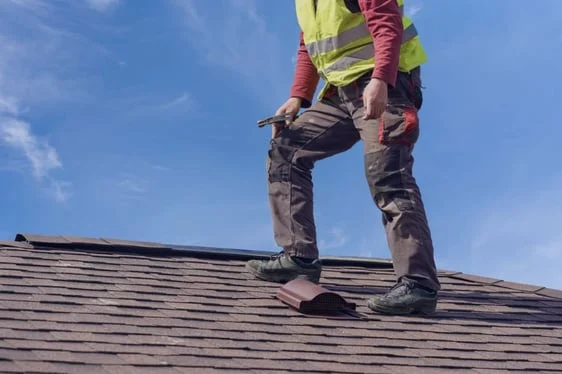
The Benefits of Regular Roof Inspections: A Homeowner’s Guide Roof maintenance is a critical aspect of homeownership, ensuring your property remains safe, secure, and protected from the elements. One of the most vital components of this maintenance routine is regular roof inspections. In this comprehensive guide, we’ll explore the importance of scheduling regular roof inspections and how they can benefit homeowners in California. Protecting Your Investment Your home is one of the most significant investments you’ll ever make, and your roof plays a crucial role in its protection. Regular roof inspections allow you to identify and address potential issues before they escalate into costly repairs or replacements. By investing in proactive maintenance, you can extend the lifespan of your roof and safeguard your investment for years to come. Regular inspections also give you peace of mind, knowing that your home is well-maintained and prepared to withstand the challenges of the California climate. Whether it’s the scorching heat of summer or the occasional winter storms, a sturdy roof is your first line of defense against the elements. Detecting Early Signs of Damage Even minor issues with your roof can quickly escalate if left unchecked. Regular inspections enable trained professionals to identify early signs of damage, such as missing shingles, cracked flashing, or deteriorating underlayment. By catching these issues early on, you can prevent water infiltration, mold growth, and structural damage to your home. Addressing these issues promptly not only protects your home but also saves you money in the long run. What may seem like a minor repair now could potentially save you thousands of dollars in extensive repairs or premature roof replacement down the line. Investing in regular inspections is a proactive measure that pays off in the form of a durable and long-lasting roof. Ensuring Structural Integrity Your roof is more than just a protective barrier—it’s an essential structural component of your home. Over time, exposure to the elements can weaken its integrity, leading to sagging, rot, or even collapse in extreme cases. Routine inspections allow contractors to assess the structural integrity of your roof and address any underlying issues before they compromise its stability. Maintaining the structural integrity of your roof is crucial for the safety of your family and the structural stability of your home. Regular inspections help identify potential weaknesses in your roof’s structure, allowing you to address them before they become serious safety hazards. By staying proactive, you can ensure that your home remains a safe and secure haven for years to come. Maintaining Energy Efficiency A well-maintained roof is also essential for maintaining energy efficiency in your home. Leaks or gaps in your roof can allow hot or cold air to escape, forcing your HVAC system to work harder to maintain comfortable temperatures indoors. By promptly identifying and repairing these issues, you can reduce energy waste and lower your utility bills. Improving energy efficiency not only saves you money on your monthly utility bills but also reduces your carbon footprint. By ensuring that your home is properly insulated and sealed, you can minimize heat loss in the winter and keep cool air inside during the summer months. Investing in regular roof inspections is an effective way to improve the energy efficiency of your home and reduce your environmental impact. Complying With Insurance Requirements Many insurance policies require homeowners to maintain their roofs in good condition to remain eligible for coverage. Regular roof inspections provide documented evidence of your efforts to maintain your property, helping you meet insurance requirements and potentially lowering your premiums. In the event of a claim, thorough inspection records can also streamline the claims process and ensure fair reimbursement for any damages. Compliance with insurance requirements is essential for protecting your investment and ensuring that you have coverage when you need it most. By staying proactive and scheduling regular roof inspections, you can avoid potential disputes with your insurance company and ensure that you have the coverage you need in the event of a disaster. Investing in regular inspections is not only a smart financial decision but also a proactive measure to protect your home and your family. Enhancing Property Value A well-maintained roof enhances the overall curb appeal and value of your property. Potential buyers are more likely to be attracted to homes with recently inspected roofs, as they offer peace of mind and may require fewer immediate repairs. Whether you’re planning to sell your home or simply want to maintain its value, regular roof inspections are an essential part of property maintenance. In addition to attracting potential buyers, a well-maintained roof can also increase the resale value of your home. Buyers are willing to pay a premium for homes with recently inspected roofs, as they represent a lower risk and potential savings on future repairs. By investing in regular inspections, you can maximize the value of your property and attract more buyers when it comes time to sell. Professional Expertise and Experience When it comes to the health and longevity of your roof, nothing beats the expertise and experience of professional contractors. At Elite Roof Repair and Home Services, our team brings decades of collective experience to every inspection. We understand the unique challenges posed by California’s climate and terrain, allowing us to provide tailored solutions that address your specific needs. Our certified inspectors undergo rigorous training and stay up-to-date with the latest industry standards and techniques. We utilize state-of-the-art equipment and advanced diagnostic tools to conduct thorough inspections, ensuring that no detail goes overlooked. Whether you’re dealing with a minor repair or considering a full roof replacement, you can trust our team to deliver expert guidance and superior results every step of the way. Conclusion Regular roof inspections are a vital aspect of homeownership, offering numerous benefits in terms of protection, energy efficiency, and property value. If you’re due for a roof inspection or have concerns about the condition of your roof, don’t hesitate to reach out to Elite Roof Repair and Home Services. Our team of