
Common Causes of Roof Leaks and the Main Steps to Prevent Them
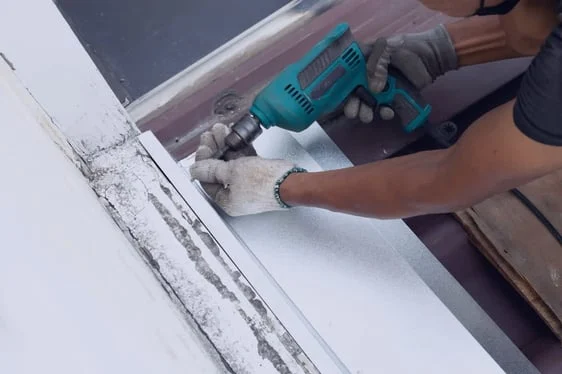
Common Causes of Roof Leaks and the Main Steps to Prevent Them Roof leaks are a homeowner’s nightmare, causing damage to property and potentially leading to costly repairs. In this informative guide, we’ll explore the common causes of roof leaks and share proactive measures to prevent them. By understanding the root causes and taking preventative action, homeowners can protect their investment and maintain a dry, secure home. Damaged or Missing Shingles One of the most common causes of roof leaks is damaged or missing shingles. Over time, exposure to the elements can cause shingles to deteriorate, crack, or become dislodged, creating vulnerable areas where water can penetrate. Regularly inspecting your roof for signs of damaged or missing shingles and promptly replacing them can prevent leaks before they occur. In addition to visual inspections, it’s essential to be proactive in addressing any issues with your shingles. This may include repairing loose or damaged shingles, sealing any gaps or cracks, and ensuring that flashing is properly installed and intact around chimneys, vents, and other roof penetrations. By taking these preventative measures, you can minimize the risk of water infiltration and protect your home from leaks. Clogged Gutters and Downspouts Clogged gutters and downspouts are another common culprit behind roof leaks. When leaves, twigs, and other debris accumulate in your gutters, they can obstruct the flow of water, causing it to overflow onto your roof and seep into the underlying layers. Regular gutter cleaning and maintenance are essential to ensure proper drainage and prevent water from pooling on your roof. To prevent clogged gutters, it’s recommended to clean them at least twice a year, ideally in the spring and fall. Additionally, installing gutter guards can help keep debris out and reduce the frequency of cleanings. It’s also important to inspect your downspouts regularly to ensure they’re free of obstructions and directing water away from your home’s foundation. By keeping your gutters and downspouts clean and well-maintained, you can minimize the risk of roof leaks and water damage. Flashing Issues Flashing plays a crucial role in directing water away from vulnerable areas of your roof, such as valleys, seams, and intersections with vertical surfaces. When flashing becomes damaged, corroded, or improperly installed, it can compromise the integrity of your roof and lead to leaks. Regularly inspecting your flashing and addressing any issues promptly is key to preventing water infiltration and protecting your home. Common signs of flashing issues include rust, corrosion, or visible gaps around roof penetrations. If you notice any of these signs, it’s important to have your flashing inspected and repaired by a qualified professional. Additionally, ensuring that flashing is properly installed and sealed during roof installations or replacements can help prevent leaks from occurring in the first place. By prioritizing flashing maintenance and repairs, you can safeguard your home against water damage and costly repairs. Roof Penetrations Roof penetrations, such as chimneys, vents, skylights, and HVAC units, are vulnerable areas where leaks can occur if not properly sealed and maintained. Over time, seals around these penetrations can degrade due to exposure to the elements, allowing water to seep into your home. Regularly inspecting these areas and addressing any issues promptly can help prevent leaks and protect your home’s interior. During inspections, it’s essential to check the seals and flashing around roof penetrations for signs of wear, deterioration, or damage. If you notice any issues, such as cracked seals or missing flashing, it’s important to have them repaired by a qualified professional. Additionally, installing flashing boots or collars around roof penetrations can provide an extra layer of protection against water infiltration. By proactively maintaining these vulnerable areas, you can minimize the risk of roof leaks and preserve the integrity of your home. Tree Limbs and Debris Overhanging tree limbs and accumulated debris on your roof can pose a significant risk to its integrity, leading to roof damage and leaks. Tree limbs can rub against your roof during windy conditions, causing abrasions or punctures in the roofing material. Likewise, leaves, branches, and other debris can trap moisture on your roof, leading to water infiltration and rot. Regularly trimming tree limbs that overhang your roof and clearing debris from your roof’s surface can help prevent damage and reduce the risk of leaks. It’s also important to ensure that your roof is properly ventilated to prevent moisture buildup and minimize the risk of mold and mildew growth. By taking these preventative measures, you can protect your roof from damage caused by tree limbs and debris and extend its lifespan. Weather and Environmental Factors Weather and environmental factors play a significant role in the health of your roof and its susceptibility to leaks. In California, where extreme weather events like heavy rain, windstorms, and wildfires are common, roofs are subjected to constant stress and wear. Harsh UV rays can cause roofing materials to deteriorate over time, while strong winds can lift and loosen shingles, creating entry points for water. To mitigate the impact of weather and environmental factors on your roof, it’s essential to choose durable, high-quality roofing materials that can withstand California’s climate. Additionally, regular maintenance and inspections can help identify and address issues before they escalate into leaks. Investing in preventative measures, such as roof coatings or sealants, can provide an extra layer of protection against the elements and prolong the lifespan of your roof. Conclusion Proactive maintenance and regular inspections are essential steps in preventing roof leaks and preserving the integrity of your home. By staying vigilant and addressing potential issues promptly, homeowners can minimize the risk of water damage and costly repairs. At Elite Roof Repair and Home Services, our experienced professionals are dedicated to helping you maintain a dry, secure home. Whether you need a routine inspection or suspect a leak, we’re here to provide expert guidance and solutions tailored to your needs. Don’t wait until it’s too late—contact us today at (916) 459-6309 or email us at expertroofrepair@gmail.com to schedule a consultation and ensure the longevity of your roof. Protect your investment and
Siding Replacement: Choosing the Right Material for Your Home
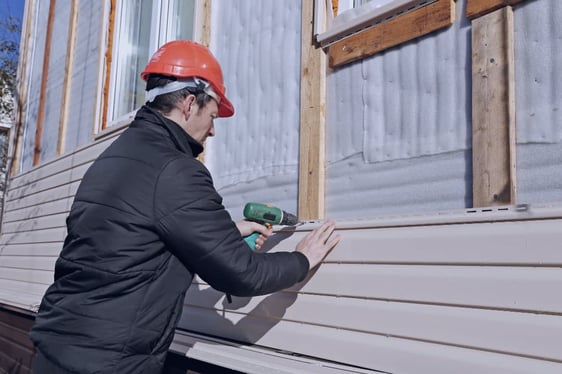
Siding Replacement: Choosing the Right Material for Your Home Choosing the right material for your home’s siding replacement is a crucial decision that can significantly impact its appearance, durability, and maintenance requirements. In this comprehensive guide, we’ll explore the various siding materials available and discuss the factors to consider when making your selection. From vinyl and fiber cement to wood and metal, understanding the pros and cons of each option will help you make an informed choice that enhances your home’s curb appeal and value. Vinyl Siding Vinyl siding is one of the most popular choices for homeowners due to its affordability, versatility, and low maintenance requirements. Available in a wide range of colors and styles, vinyl siding can mimic the look of traditional wood siding without the cost or upkeep. Additionally, vinyl siding is resistant to rot, insect damage, and fading, making it a durable option for homes in various climates. Vinyl siding offers significant benefits due to its simple installation process, which can lower labor expenses and expedite project completion. When properly maintained, vinyl siding can endure for many years, delivering enduring shielding and visual charm to your residence. Nonetheless, it’s crucial to recognize that vinyl siding may be prone to cracking or distortion under extreme temperatures, emphasizing the importance of selecting a superior product and ensuring precise installation techniques. Fiber Cement Siding Fiber cement siding is another popular choice for homeowners seeking durability and versatility. Made from a mixture of cement, sand, and cellulose fibers, fiber cement siding offers excellent resistance to fire, rot, and pests, making it ideal for homes in areas prone to wildfires or termite infestations. Additionally, fiber cement siding is available in a variety of textures and finishes, including wood grain and smooth, allowing you to customize the look of your home to suit your preferences. Fiber cement offers exceptional durability and longevity, making it a valuable investment for homeowners. When properly cared for, fiber cement can endure for 50 years or more, offering prolonged peace of mind. Moreover, this material demands minimal upkeep, necessitating only periodic cleaning and painting every 10-15 years to uphold its appearance and protective features. Despite its initial higher cost compared to vinyl or wood options, fiber cement proves cost-effective in the long term due to its resilience and minimal maintenance needs. Wood Siding Wood siding offers a timeless and natural aesthetic that adds warmth and character to any home. From cedar and redwood to pine and spruce, there are various types of wood siding available, each with its unique appearance and characteristics. Wood siding can be stained or painted to match your home’s style and color scheme, providing endless customization options for homeowners. Wood offers a unique appeal with its innate beauty and rustic charm, capable of elevating your home’s exterior aesthetics and increasing its curb appeal and worth. Furthermore, wood presents a sustainable option, being both biodegradable and renewable, making it an eco-conscious choice for homeowners concerned about environmental impact. Nonetheless, it’s crucial to acknowledge that wood demands consistent upkeep, involving tasks such as sealing, staining, and repainting. These measures are essential to safeguard against moisture-related issues, rot, and potential insect infestations, preserving the integrity and longevity of your home’s exterior surfaces. Metal Siding Metal siding is a durable and low-maintenance option for homeowners seeking modern aesthetics and superior protection. Available in aluminum, steel, and zinc, metal siding offers excellent resistance to fire, pests, and extreme weather conditions, making it ideal for homes in harsh climates. Additionally, metal siding is available in a variety of finishes and profiles, including corrugated and smooth, allowing you to achieve the desired look for your home. Metal cladding offers exceptional longevity and durability. With a lifespan of 50 years or more and requiring minimal upkeep, metal cladding provides enduring safeguarding and aesthetic enhancement for your residence. Furthermore, its resistance to fading, cracking, and warping guarantees enduring visual appeal for your home. Although the initial cost of metal cladding may surpass that of alternative options, its long-lasting durability and minimal maintenance needs render it a financially prudent investment over time. Environmental Impact and Sustainability When contemplating replacement options for exterior cladding, it’s crucial to ponder the environmental implications of each material and its sustainability. Materials like fiber cement and wood, which derive from renewable sources and undergo eco-friendly manufacturing processes, stand out as sustainable alternatives. Opting for such environmentally conscious options enables homeowners to diminish their carbon footprint and play a part in fostering a more sustainable future for our planet. Fiber cement siding, for example, is made from natural and recycled materials, making it an environmentally responsible choice for eco-conscious homeowners. Additionally, wood siding sourced from sustainably managed forests helps preserve valuable ecosystems and biodiversity while providing a natural and renewable building material. By prioritizing sustainability in your siding replacement project, you can make a positive impact on the environment while enhancing the value and beauty of your home. Maintenance and Long-Term Care Proper maintenance and care are essential for maximizing the lifespan and performance of your home’s siding. Regardless of the material you choose, routine maintenance tasks such as cleaning, inspection, and repairs are necessary to keep your siding looking its best and protecting your home from the elements. Regularly inspect your siding for signs of damage, such as cracks, warping, or peeling paint, and address any issues promptly to prevent further damage and deterioration. The maintenance needs can differ based on the material used for your home’s exterior cladding. For instance, wooden cladding may necessitate occasional staining or sealing to shield against moisture damage and decay, whereas vinyl alternatives may require periodic cleaning to eliminate dirt and debris buildup. Adhering to the guidelines provided by the manufacturer and prioritizing regular upkeep can significantly prolong the durability of your cladding and uphold its aesthetic appeal and functionality over time. Conclusion Choosing the right material for your home’s siding replacement is a decision that requires careful consideration of various factors, including cost, durability, maintenance requirements, and aesthetic preferences. Whether
Signs That Your Roof Needs Replacement: Main Indications to Look For
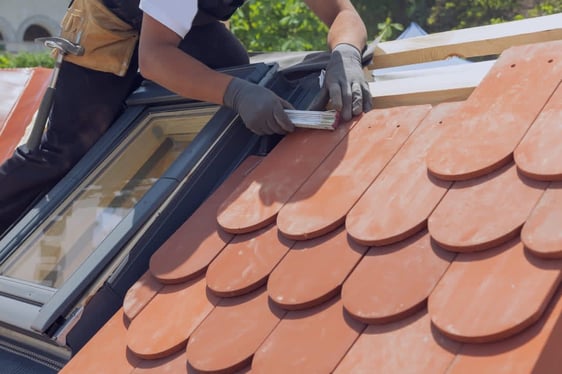
Signs That Your Roof Needs Replacement: Main Indications to Look For As a homeowner, your roof is one of the most important components of your property, providing protection from the elements and maintaining the structural integrity of your home. However, over time, even the most well-maintained roofs will eventually require replacement. In this comprehensive guide, we’ll discuss the signs that indicate your roof may need replacement and what to look for to ensure the safety and longevity of your home. Age of the Roof One of the primary indicators that your roof may need replacement is its age. Most asphalt shingle roofs have a lifespan of 20 to 30 years, while other materials such as metal or tile may last longer. If your roof is approaching or has exceeded its expected lifespan, it’s essential to closely monitor its condition for signs of deterioration. While age alone may not necessarily mean your roof needs immediate replacement, it’s a critical factor to consider when evaluating its overall condition. Older roofs are more susceptible to damage from weathering, UV exposure, and wear and tear, making them more susceptible to leaks, cracks, and other issues. If your roof is nearing the end of its lifespan, it’s advisable to have it inspected by a professional to assess its condition and determine if replacement is necessary. Missing or Damaged Shingles Another telltale sign that your roof may need replacement is the presence of missing or damaged shingles. Shingles play a crucial role in protecting your roof from water infiltration and other forms of damage. If you notice shingles that are cracked, curled, blistered, or missing altogether, it’s a clear indication that your roof’s protective barrier has been compromised. Missing or damaged shingles can expose the underlying layers of your roof to moisture, leading to leaks, rot, and structural damage. Additionally, damaged shingles can detract from your home’s curb appeal and reduce its overall value. If you observe any signs of shingle damage, it’s important to address them promptly to prevent further deterioration and potential issues with your roof’s integrity. Water Stains and Leaks Water stains on your ceiling or walls are a clear indication that your roof may be leaking and in need of replacement. Even small leaks can cause significant damage over time, including mold growth, rotting wood, and compromised structural integrity. If you notice water stains or discoloration on your ceilings or walls, it’s essential to address the underlying issue promptly to prevent further damage and potential health hazards. In addition to visible water stains, other signs of roof leaks may include damp or musty odors in your home, peeling paint or wallpaper, and sagging or bulging areas on your ceiling. If you experience any of these symptoms, it’s crucial to have your roof inspected by a professional to identify the source of the leak and determine the best course of action. Ignoring roof leaks can lead to extensive damage and costly repairs, so it’s important to address them promptly to protect your home and ensure your family’s safety. Sagging or an Uneven Roof A sagging or uneven roofline is a clear indication that your roof may be experiencing structural issues and requires immediate attention. Sagging can occur due to various factors, including water damage, rotting wood, or inadequate support. If left unchecked, sagging areas can worsen over time, leading to further damage and potentially catastrophic failure. Sagging or uneven areas on your roof may be visible from the ground or more subtle, requiring closer inspection from a professional. Regardless of the severity, any signs of sagging should be addressed promptly to prevent further damage and ensure the safety of your home. A qualified roofing contractor can assess the extent of the damage and recommend appropriate repairs or replacements to restore your roof’s structural integrity. Granule Loss on Shingles Granule loss on shingles is another common sign of roof deterioration that may indicate the need for replacement. Asphalt shingles are coated with granules that provide protection from UV rays and other environmental factors. Over time, exposure to the elements can cause these granules to wear away, leaving your shingles vulnerable to damage. Granule loss may manifest as bald spots or areas of discoloration on your roof, indicating areas where the protective coating has been compromised. If you notice excessive granule loss on your shingles, it’s essential to have your roof inspected by a professional to assess its condition and determine if replacement is necessary. Addressing granule loss promptly can help prevent further damage to your roof and extend its lifespan. Interior Damage and Mold Growth Interior damage and mold growth are serious indicators that your roof may be in need of replacement. If your roof is leaking, water can seep into your home, causing damage to ceilings, walls, and insulation. Over time, this moisture can promote the growth of mold and mildew, which can pose health risks to you and your family. In addition to compromising the structural integrity of your home, mold growth can exacerbate respiratory issues and allergies, especially in vulnerable individuals such as children and the elderly. If you notice any signs of water damage or mold growth inside your home, it’s crucial to address the underlying cause promptly to prevent further damage and protect your family’s health. A professional roof inspection can help identify the source of the leak and determine if roof replacement is necessary to prevent future issues. Energy Efficiency Concerns Old or damaged roofs can also impact the energy efficiency of your home, leading to increased heating and cooling costs. Gaps, cracks, and insufficient insulation can allow hot or cold air to escape from your home, forcing your HVAC system to work harder to maintain a comfortable indoor temperature. This not only results in higher energy bills but also contributes to unnecessary energy consumption and environmental impact. By investing in a new, energy-efficient roof, you can improve the comfort and livability of your home while reducing your carbon footprint. Modern roofing materials and installation techniques offer
The Impact of Roofing on Home Value: What You Need to Know
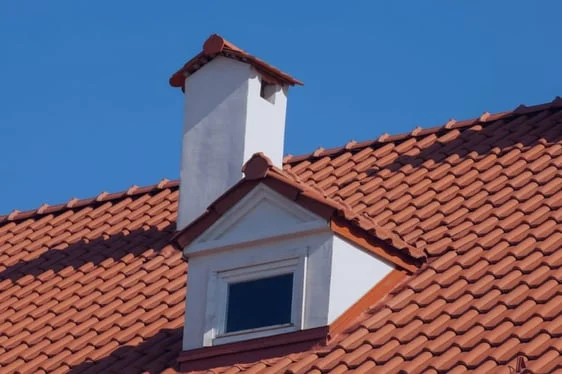
The Impact of Roofing on Home Value: What You Need to Know The condition of your roof plays a significant role in determining the overall value and curb appeal of your home. In this comprehensive guide, we’ll explore the impact of roofing on home value and discuss why investing in quality roofing services is essential for homeowners. From roof inspections to replacements, understanding the relationship between roofing and home value is crucial for making informed decisions and maximizing your property’s potential. First Impressions and Curb Appeal Your roof is one of the first things prospective buyers notice when they approach your home. A well-maintained roof enhances curb appeal, making a positive first impression and increasing the likelihood of a successful sale. On the other hand, a damaged or outdated roof can detract from your home’s overall appearance, leading to lower offers and longer time on the market. Investing in professional roofing services, such as roof inspections, repairs, and replacements, can significantly improve the curb appeal of your home and increase its market value. By ensuring that your roof is in good condition, you’ll not only attract more potential buyers but also command a higher selling price when it comes time to list your property. Structural Integrity and Longevity Beyond aesthetics, the condition of your roof also impacts the structural integrity and longevity of your home. A well-maintained roof protects your property from water damage, mold growth, and other structural issues that can compromise its stability over time. By investing in regular roof maintenance and repairs, you can extend the lifespan of your home and minimize the risk of costly structural damage. Buyers are willing to pay a premium for homes with recently inspected roofs, as they offer peace of mind and may require fewer immediate repairs. Whether you’re planning to sell your home or simply want to maintain its value, regular roof inspections are an essential part of property maintenance. Additionally, ensuring that your roof is constructed with high-quality materials and installed by experienced professionals can further enhance its longevity and durability, providing long-term value for homeowners. Energy Efficiency and Cost Savings An energy-efficient roof can also have a significant impact on your home’s value and appeal to buyers. Modern roofing materials and installation techniques offer superior insulation and ventilation, helping to regulate indoor temperatures and minimize energy waste. By reducing heating and cooling costs, an energy-efficient roof can save homeowners hundreds or even thousands of dollars annually on utility bills. In addition to cost savings, an energy-efficient roof can also increase the resale value of your home and attract eco-conscious buyers. Many homebuyers are willing to pay a premium for properties with green features, including energy-efficient roofing, as they offer long-term savings and environmental benefits. By investing in an energy-efficient roof, you can not only enjoy lower utility bills but also increase the marketability and value of your home. Warranty Coverage and Peace of Mind Homebuyers are often reassured by the presence of a warranty on a home’s roof, which provides peace of mind and protection against unexpected expenses. Many roofing manufacturers offer warranties on their products, covering defects in materials and workmanship for a specified period. Additionally, reputable roofing contractors may offer their own warranties on labor and installation, further safeguarding homeowners against potential issues. Having a warranty on your roof can increase buyer confidence and make your home more attractive in a competitive real estate market. Buyers are more likely to choose a home with warranty coverage, as it offers reassurance that they won’t be responsible for costly repairs or replacements shortly after purchasing the property. By investing in a quality roof with warranty coverage, you can enhance the value of your home and attract more discerning buyers. Roofing Trends and Market Demand Staying informed about current roofing trends and market demand can also impact the value of your home and its appeal to buyers. Certain roofing materials, styles, and colors may be more popular in your area or in high demand among buyers, influencing their perception of your home’s value. By keeping your roof up-to-date with current trends and preferences, you can ensure that your home stands out in the market and attracts more potential buyers. Additionally, incorporating eco-friendly roofing options, such as solar panels or green roofs, can further enhance the value of your home and appeal to environmentally conscious buyers. These sustainable features not only reduce energy consumption and carbon emissions but also add a unique selling point to your property. By staying ahead of roofing trends and market demand, you can maximize the value of your home and ensure a successful sale when it comes time to list your property. ROI and Home Renovation Projects When considering home renovation projects, investing in your roof offers one of the highest returns on investment (ROI) compared to other upgrades. According to industry experts, a roof replacement can yield a return of up to 70% or more of the project cost in increased home value. This makes roofing one of the most cost-effective ways to boost your home’s value and appeal to potential buyers. In addition to increasing your home’s value, a new roof can also make your property more attractive to lenders and appraisers, potentially qualifying you for better financing terms and higher appraised values. Whether you’re planning to sell your home in the near future or simply want to improve its overall value and livability, investing in a quality roof is a smart financial decision that offers both immediate and long-term benefits. Conclusion The impact of roofing on home value cannot be overstated. From enhancing curb appeal to improving energy efficiency and structural integrity, a well-maintained roof adds significant value to your property and attracts more potential buyers. Whether you’re planning to sell your home or simply want to protect your investment, investing in professional roofing services is essential for maximizing your home’s potential and ensuring its long-term value. At Elite Roof Repair and Home Services, we specialize in roofing and home
Understanding the Causes of Dry Rot: What Homeowners Need to Know
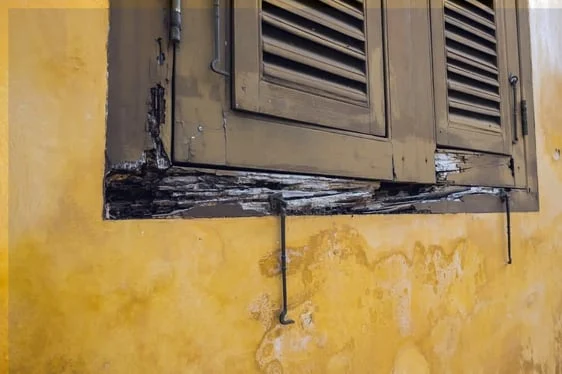
Understanding the Causes of Dry Rot: What Homeowners Need to Know Understanding the causes of dry rot is essential for homeowners to safeguard their properties against this pervasive and destructive issue. In this comprehensive guide, we’ll delve into the various factors that contribute to dry rot and provide practical insights to help homeowners identify, prevent, and address this common problem. From moisture infiltration to fungal growth, gaining a deeper understanding of dry rot is key to maintaining the structural integrity and longevity of your home. What is Dry Rot? Dry rot, also known as wood decay, is a fungal infection that affects timber and other cellulose-based materials in homes. Contrary to its name, dry rot thrives in moist and poorly ventilated environments, making it a common issue in areas with high humidity or water intrusion. The fungus responsible for dry rot, typically belonging to the genus Serpula or Meruliporia, feeds on the cellulose found in wood, causing it to deteriorate and weaken over time. Dry rot typically starts as a localized infection but can spread quickly if left unchecked, causing extensive damage to structural elements such as floor joists, wall studs, and roof rafters. Early detection and intervention are critical to preventing widespread damage and costly repairs. By familiarizing themselves with the signs and causes of dry rot, homeowners can take proactive measures to protect their homes from this insidious threat. Moisture Intrusion Moisture intrusion is the primary cause of dry rot in residential properties. Excess moisture from sources such as roof leaks, plumbing leaks, inadequate ventilation, or high humidity levels can create ideal conditions for fungal growth and wood decay. Even minor water leaks or condensation buildup can lead to significant damage over time, especially in hidden or poorly ventilated areas such as crawl spaces, attics, and wall cavities. To prevent dry rot caused by moisture intrusion, homeowners should regularly inspect their homes for signs of water damage, such as stains, discoloration, or musty odors. Addressing any leaks or moisture issues promptly, such as repairing roof leaks, fixing plumbing leaks, and improving ventilation, can help mitigate the risk of dry rot and preserve the structural integrity of your home. Additionally, maintaining proper drainage around the foundation and ensuring adequate airflow in enclosed spaces can further reduce the likelihood of moisture-related problems. Poor Ventilation Poor ventilation is another common cause of dry rot in homes. Inadequate airflow can trap moisture inside the home, creating stagnant conditions that promote fungal growth and wood decay. Areas such as attics, crawl spaces, and basements are particularly susceptible to poor ventilation, as they may lack sufficient airflow to dissipate moisture effectively. To improve ventilation and reduce the risk of dry rot, homeowners can take several steps, such as installing vents in the roof or walls, adding exhaust fans in bathrooms and kitchens, and ensuring proper airflow in enclosed spaces. Additionally, maintaining a consistent temperature and humidity level inside the home can help prevent condensation and moisture buildup, reducing the likelihood of fungal growth and wood decay. By addressing ventilation issues and promoting airflow throughout the home, homeowners can create a healthier and more resilient living environment. Wood-to-Ground Contact Wood-to-ground contact is a common cause of dry rot in homes, particularly in areas where wooden structural elements come into direct contact with the soil or other moisture sources. Ground contact can introduce moisture into the wood, creating conditions conducive to fungal growth and decay. Common areas where wood-to-ground contact occurs include foundation piers, deck posts, and fence posts. To mitigate the risk of dry rot caused by wood-to-ground contact, homeowners should ensure that wooden structural elements are properly treated or protected against moisture. This may involve using pressure-treated lumber, applying wood preservatives or sealants, or installing barriers such as concrete footings or moisture-resistant membranes. Additionally, regular inspections of wooden components in contact with the ground can help identify any signs of decay or damage early on, allowing for prompt repairs or replacements as needed. Lack of Maintenance Lack of maintenance is a contributing factor to dry rot in many homes, as neglected properties are more prone to water damage and fungal infestations. Failure to address minor issues such as roof leaks, plumbing leaks, or deteriorating caulking can lead to more significant problems over time, including dry rot and structural damage. Additionally, neglecting routine maintenance tasks such as cleaning gutters, inspecting roofing materials, and sealing cracks or gaps can exacerbate moisture-related issues and accelerate wood decay. To prevent dry rot caused by a lack of maintenance, homeowners should prioritize regular upkeep and inspection of their properties. This may include scheduling annual roof inspections, checking for signs of water damage after storms, and addressing any maintenance issues promptly. By investing time and effort in proactive maintenance, homeowners can identify and address potential problems before they escalate, reducing the risk of dry rot and preserving the structural integrity of their homes. Conclusion Understanding the causes of dry rot is essential for homeowners to protect their properties from this pervasive and destructive issue. By addressing moisture intrusion, poor ventilation, wood-to-ground contact, and lack of maintenance, homeowners can mitigate the risk of dry rot and preserve the structural integrity of their homes. At Elite Roof Repair and Home Services, we specialize in dry rot repair and prevention to help homeowners safeguard their properties against fungal infestations and wood decay. Contact us today at (916) 459-6309 or email us at expertroofrepair@gmail.com to schedule a consultation and learn more about our dry rot services. Related Blogs The Impact of Roofing on Home Value: What You Need to Know August 20, 2026 | by admin The Impact of Roofing on Home Value: What You Need to Know The condition of your roof plays a significant… Read More → Understanding the Causes of Dry Rot: What Homeowners Need to Know August 20, 2026 | by admin Understanding the Causes of Dry Rot: What Homeowners Need to Know Understanding the causes of dry rot is essential for… Read More → Start Your Home Improvement Project Today Fill out